
Practical Guidance, Written by a Paramedic
Free, in-depth guides on the questions parents ask us most, CPR, choking, and spotting a sick child, based on real emergencies, not internet advice.
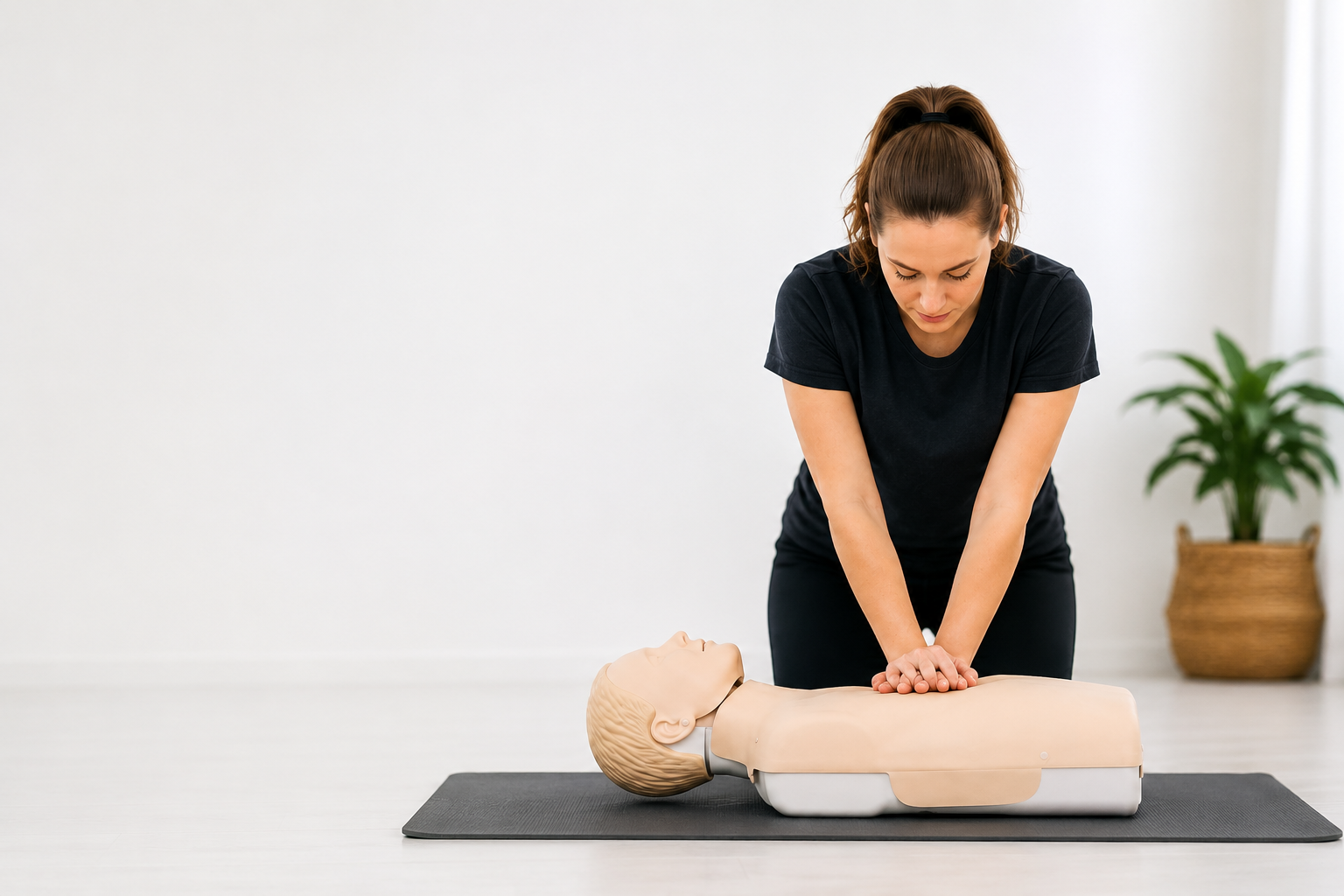
Recognise It. Respond To It.
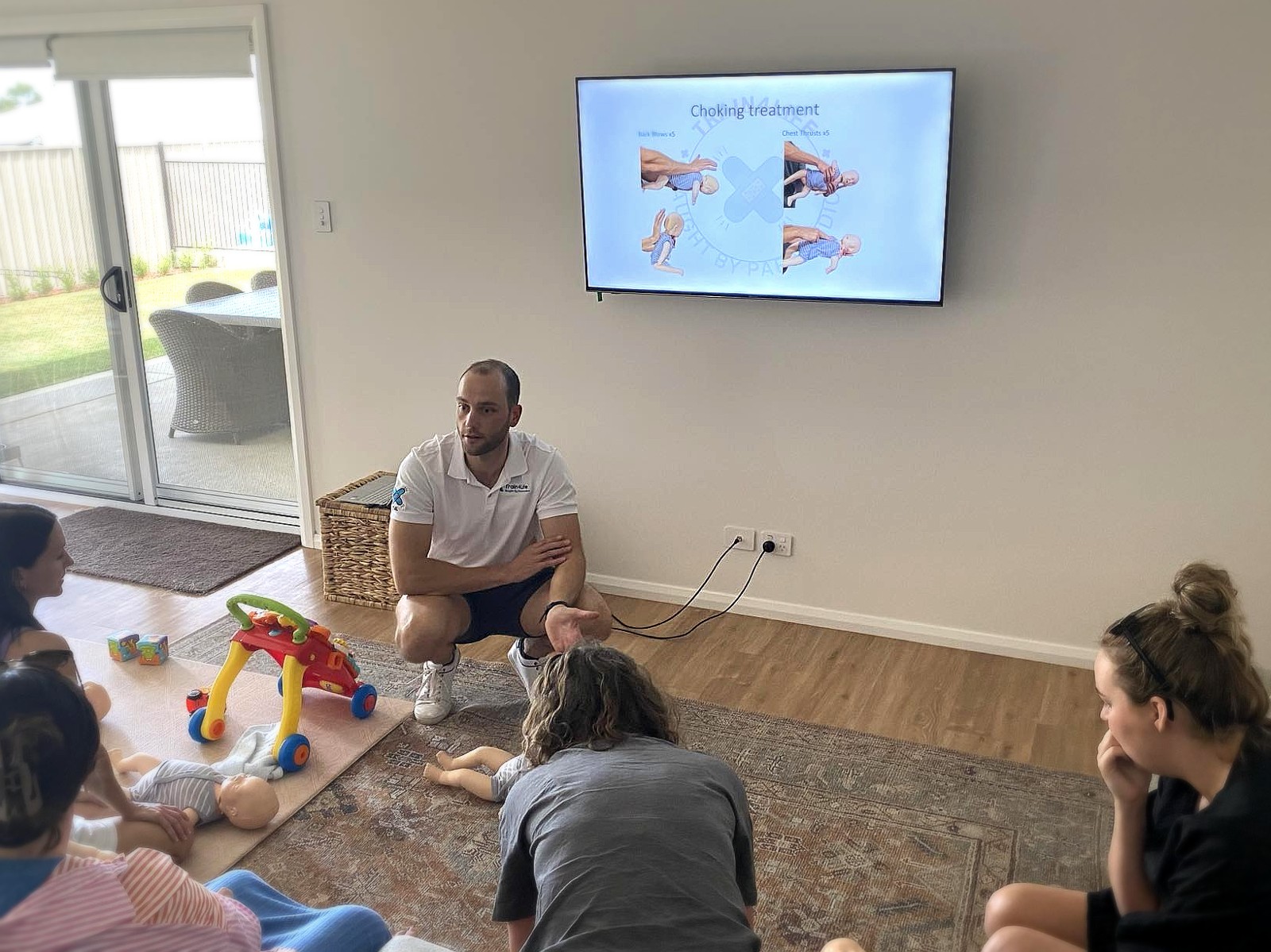
What to Do If Your Baby or Child Is Choking: A Paramedic’s Guide
If your child is choking but can still cough, encourage them to keep coughing, don’t hit their back, as this can turn a partial blockage into a complete one.
Read Guide →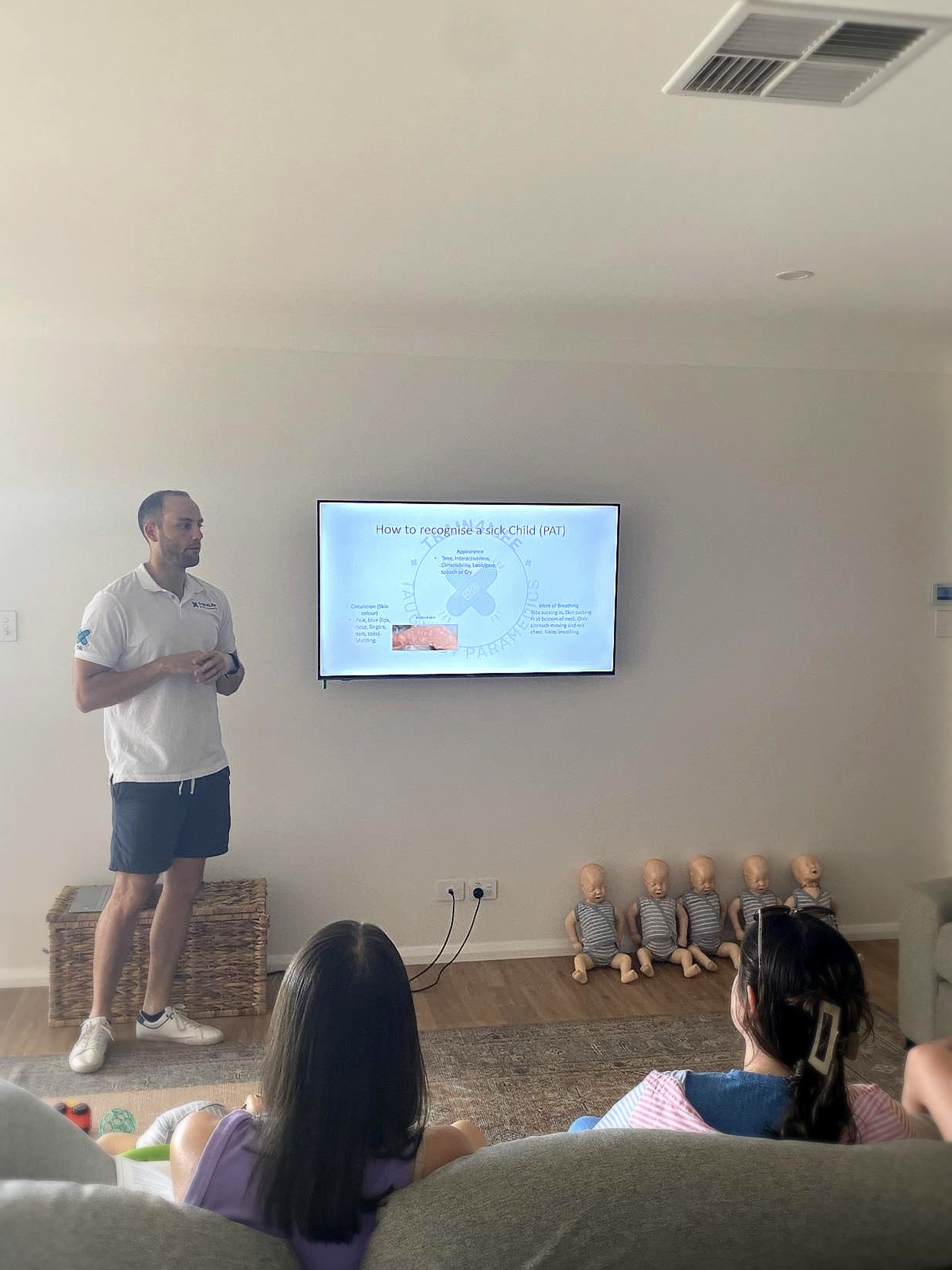
How to Recognise a Sick Child: 4 Signs Every Parent Should Know
The four key signs of an unwell baby or child: reduced alertness or irritability, changes in breathing, changes in skin colour, and reduced fluid intake or output.
Read Guide →Burns First Aid for Babies & Children
Cool the burn under cool running water for at least 20 minutes, never use ice. Here’s how to tell the three types of burns apart and exactly what to do.
Read Guide →Febrile Seizures in Children: What to Do
A febrile seizure is frightening to witness but usually harmless. Here’s what to do during one, what never to do, and exactly when to call an ambulance.
Read Guide →Croup in Children: Signs and What to Do
That barking, seal-like cough is usually croup. Here’s how to manage mild croup at home and the warning signs that mean you should call 000.
Read Guide →Anaphylaxis & Allergies in Children: A Parent’s Guide
How to tell a mild allergic reaction from life-threatening anaphylaxis, how to use an adrenaline autoinjector, and exactly when to call 000.
Read Guide →RSV in Babies: Signs and When to Worry
RSV is common and usually mild, but can turn serious fast in babies. The mild signs, the severe warning signs, and how to manage it at home.
Read Guide →Child Asthma Attack: First Aid Steps
How to recognise asthma in children and the 4x4x4 first aid steps for an attack, plus the severe signs that mean call 000.
Read Guide →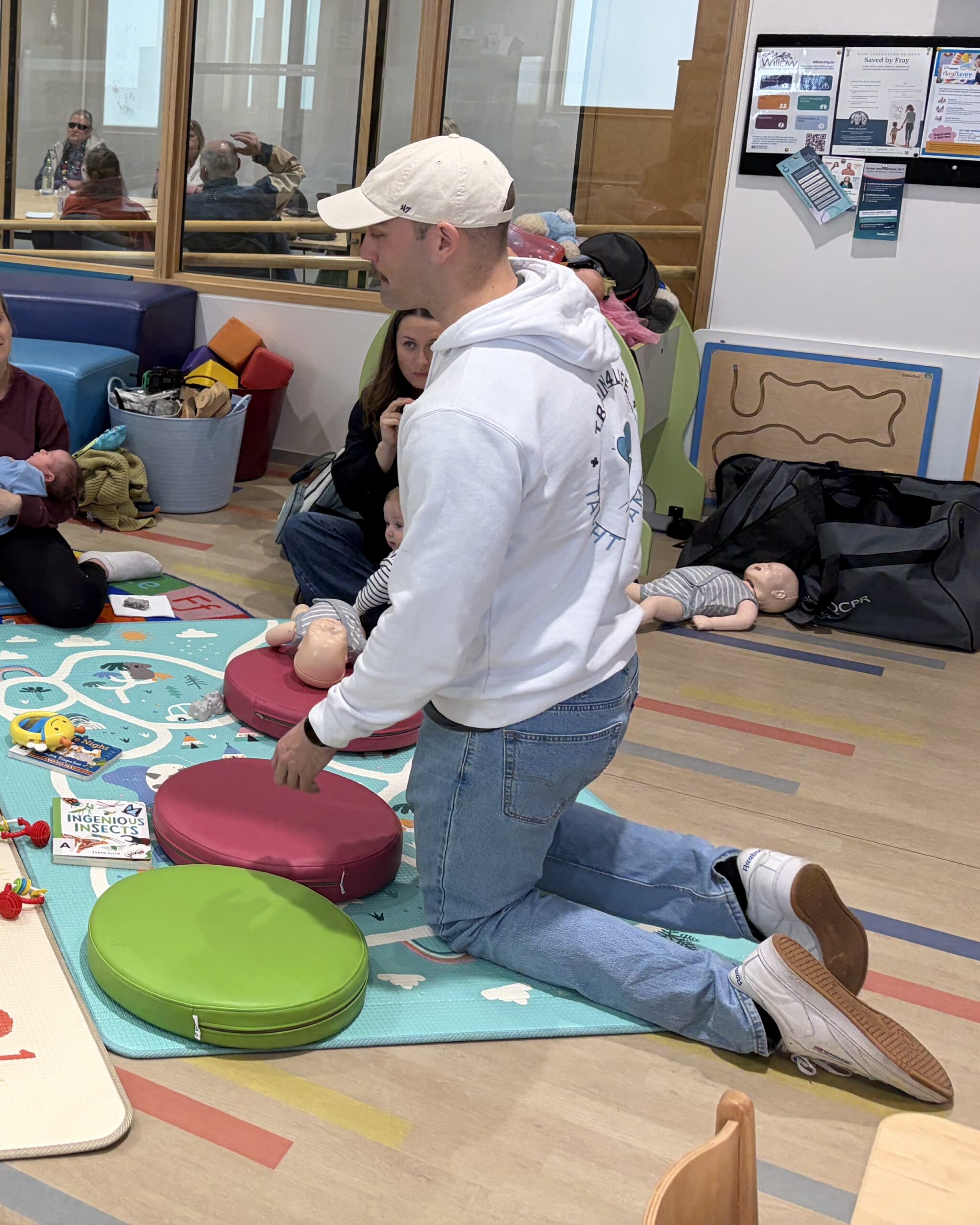
Ready to move from reading to hands-on confidence?
These guides are a starting point. Our Baby & Child First Aid Workshop walks you through every technique step by step, so you’re ready to act, not just recognise the signs.
View Courses
Train4Life provides practical baby & child emergency education for parents and carers, taught by frontline paramedics.